.jpg)
2025 Year in review

As we enter the new year of 2026, we wanted to take the time to first reflect on last year – the changing context of society and work, our wins, our challenges, and what we learned. Systemic design is more important than ever, but there are many forces pulling away from deep long term transitions. Reflection helps us to better understand these dynamics, in a hope to share all that we can from our journey with you all.
Let’s look at the year that was: 2025.
A context of rapid change
2025 hadn't started or ended as imagined. Last year was marked by stark geopolitical changes. We have seen the US pull back dramatically global alliances and commitments. Globally, democratic ideals are being questioned by authoritarian leaders. Ukraine continues to resist. Israel and Palestine are in a fragile hold. More countries are emerging as flashpoints for conflict and regime change. This is forcing reflection and the questioning long held allegiances and rules based order.
Socially, extreme inequality continues to grow as we see the further expansion and reach of technology and the ultra wealthy. Academic institutions are continuing to be eroded in the name of efficiency. Social cohesion is also fraying along different lines. The end of 2025 in Sydney saw the devastating Bondi attack where 15 Jewish lives were tragically lost, and made us rethink the safety of our own city and country.
However, some patterns do not shift as quickly. We are already living in a rapidly changing climate context. As we write this, bushfires are again ravaging the east coast of Australia, to mass coral bleaching in the Ningaloo Reef, and algal blooms in the great Australian Bite. The costs of dealing with these crises continues to grow, where the burden sits for these disasters is not clear.
The interconnected nature of these challenges, what some call the 'polycrisis', is now undeniable. But interconnection cuts both ways. Patterns from one area can ripple outward. Collaboration matters more than ever, and the organisations finding their footing are those willing to adapt and move with what’s happening.
We learned resilience is created through capability
All of this change is leading to a broader discourse around what is possible or not in supporting and sustaining ourselves as humans through this disruptive moment. Against this backdrop, institutional change is critical, and seems more possible. The need for systems approaches is greater than ever– highlighting the connected parts of the issues at hand so that we can anticipate alternative scenarios, operating configurations and plan for them. In this setting, transformations are feeling urgent, but deciding the next best thing to do can be paralyzing. Capabilities are needed to develop optionality.
Organisationally, AI has emerged as a wave filling conversational space and squeezing out almost all other conversations in organisations. While immensely powerful, it will take time for organisations to work through how to make it work for them. It feels like the hype cycle is beginning to turn and some air is coming back in for a more pragmatic and intentional strategy.
We see a growing demand for deeper collaboration and new capabilities for intentional institutional transitions. Sensemaking and adaptation is needed more than ever.
Our project portfolio
We’ve been exploring the application of systemic design practices to build more adaptable institutions, following work in recent years with Transport for NSW, FMO, RACP and others. Last year we reflected more on this work and codified our approach through our paper and several public presentations, podcasts and events (links below).
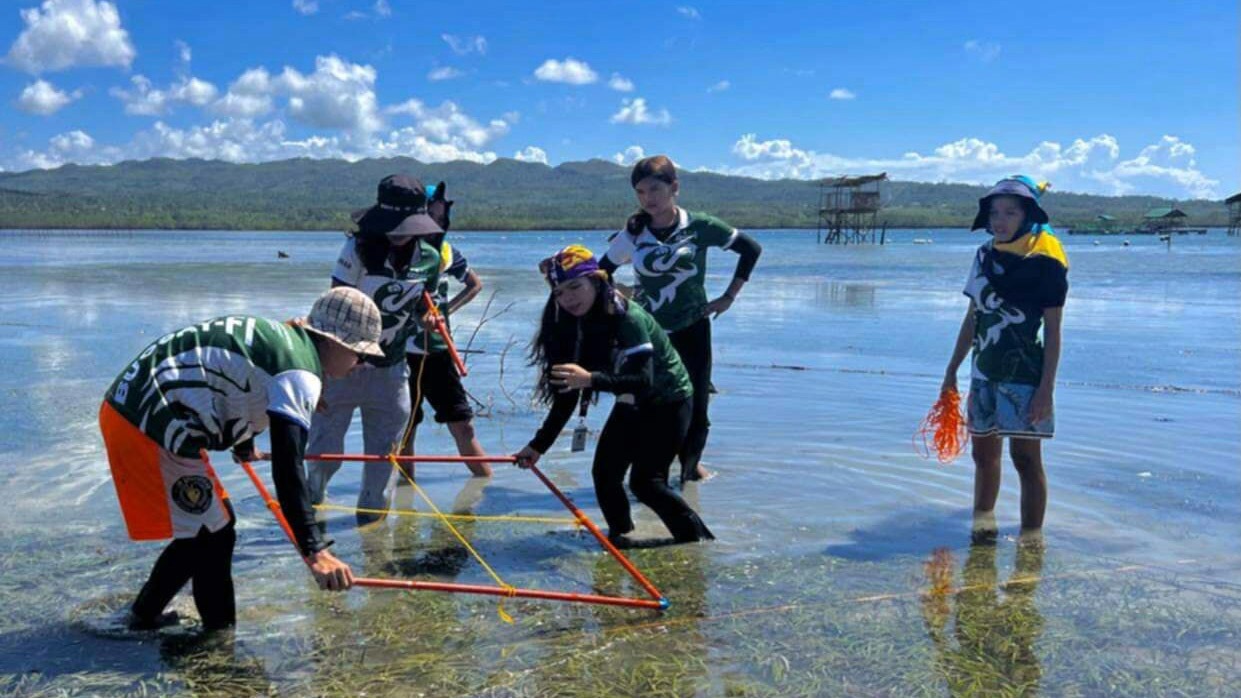
In 2025, we had the opportunity to work with thirteen client partners across sectors like health, international development, climate action, member-based education organisations and AI, with a strong focus on organisational design, ecosystem interventions, and capability building.
Some highlights were:
- Concluding our work with the Trailblazer for Recycling and Clean Energy,
- Supported the AI CoLab on efforts to use data for community impact
- Commencing a program with Growth Firms Alliance & FMO exploring models for coordinated market development practices in low and middle income countries; and,
- Completing our two year first-round program with Bloomberg Philanthropies, coaching cities in Asia & Oceania in the Youth Climate Action Fund
We are grateful to our client partners, both new and old, who give us the opportunity to work on these interesting and complex challenges together. Collaboratively, we have developed the capabilities required to meet the challenges of the contexts they are operating within and are championing bold and courageous work - this is not only suitable but a necessity to navigate these tumultuous times effectively.
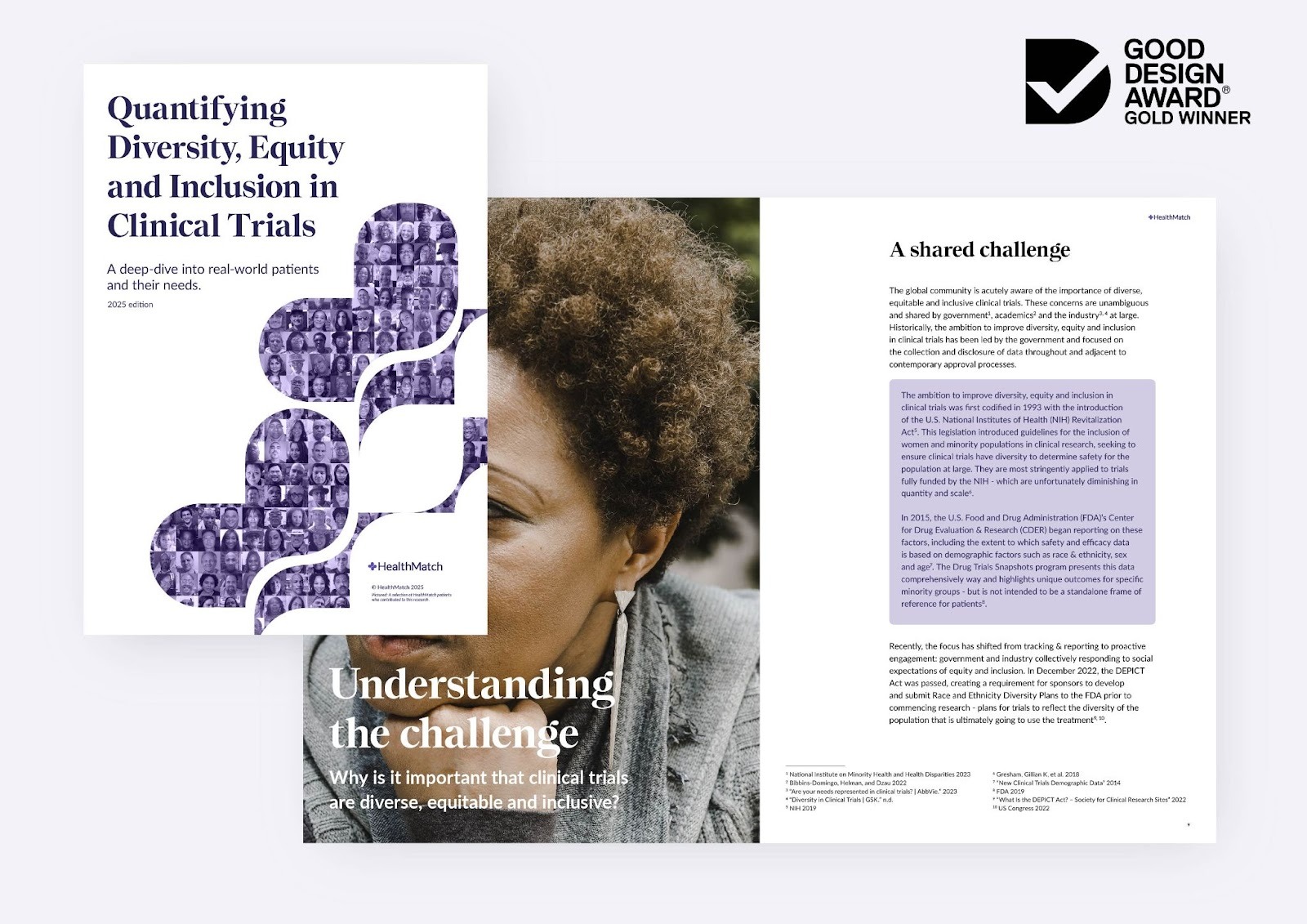
A Gold Good Design Award
In October we were excited and honoured to have received one of the highest design accolades available in Australia as a Gold Winner at this year’s Australian Good Design Awards.
In collaboration with HealthMatch, the 'Quantifying Diversity, Equity and Inclusion in Clinical Trials' report series was recognised in the Social Impact category for its contribution to improving representation and inclusion in clinical research.
Read more about the report here.
Our team grew even more
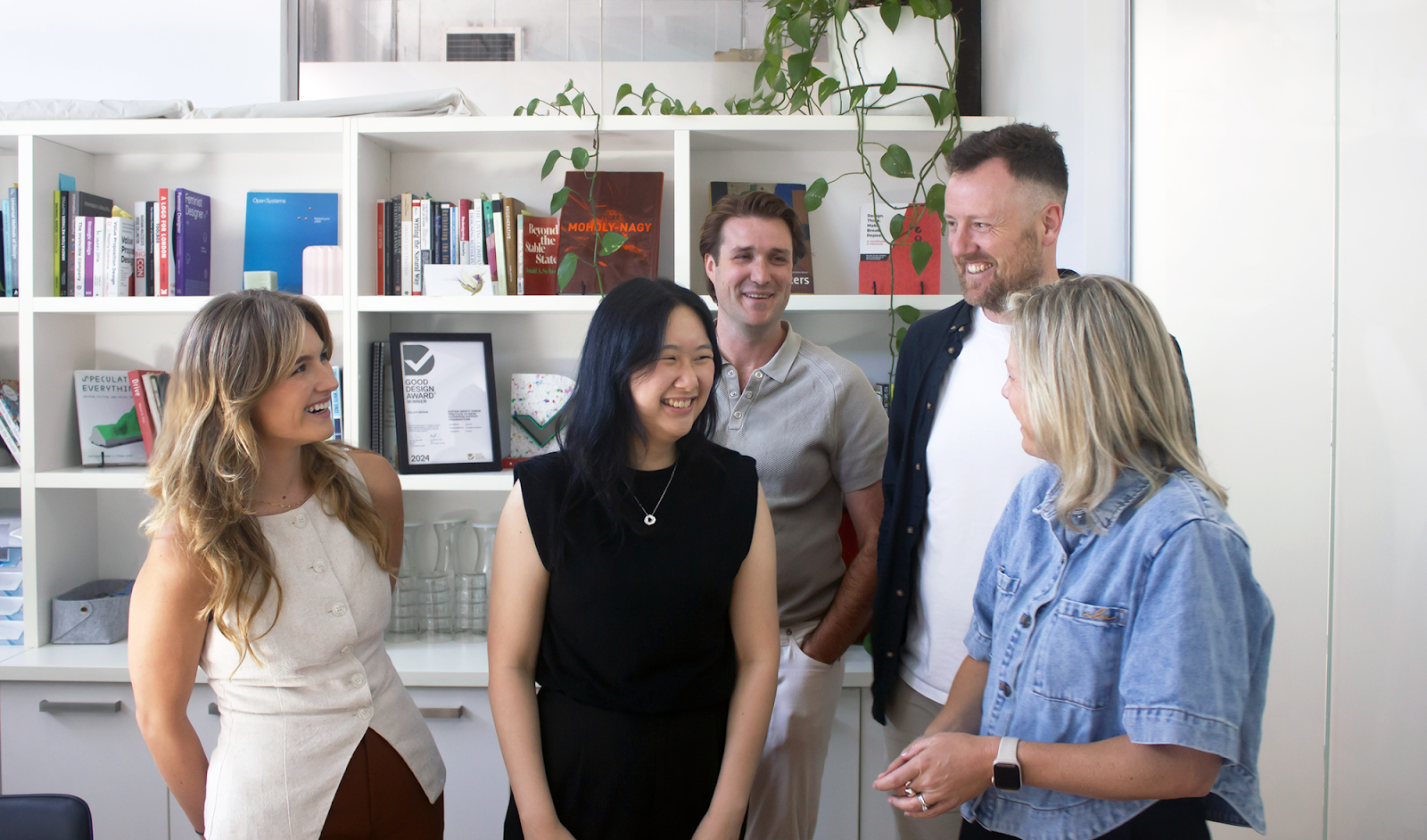
We were delighted to welcome Callan Hagans to Snowmelt in early 2025 as a Systemic Design Analyst, where she quickly made an impact across both client and internal projects. Later in the year, she completed Two Collaborate’s Creative Leadership & Collaboration Masterclass, bringing fresh energy and strengthened capabilities in situational leadership, visual thinking, group dynamics, and facilitation into our work. Learn more about Callan’s perspective in this interview.
We also had the pleasure of working with Chloé Oru, who joined our team for the first half of the year, travelling from Paris with a strong grounding in systemic design and a Master’s focus on the ethical implications of AI in the workplace. During her time with us, Chloé contributed to our presence at RSD14, supported our paper, and authored her own article, Stirring the Sediment: The Material Practices of Systemic Design.
If you’re interested in future opportunities to join the Snowmelt team, follow us on linkedin, or subscribe to our newsletter.

We welcomed expert collaborators
We were delighted to welcome two exceptional expert collaborators to the Snowmelt ecosystem.
We welcomed Anne Moore at the end of last year, whose work spans human capital, the future of work, and complex systems, bringing a powerful blend of academic insight and entrepreneurial experience to our practice. You can watch or read our interview with Anne here.
We have since also welcomed Berne Gibbons, a highly respected leader in health and human services, with deep experience across clinical care, executive leadership, and national policy influence. You can watch or read our interview with Berne here.
These collaborations strengthen Snowmelt’s work by bringing deep specialist expertise and industry experience directly into our engagements with clients and partners.
We celebrated Leanne’s research
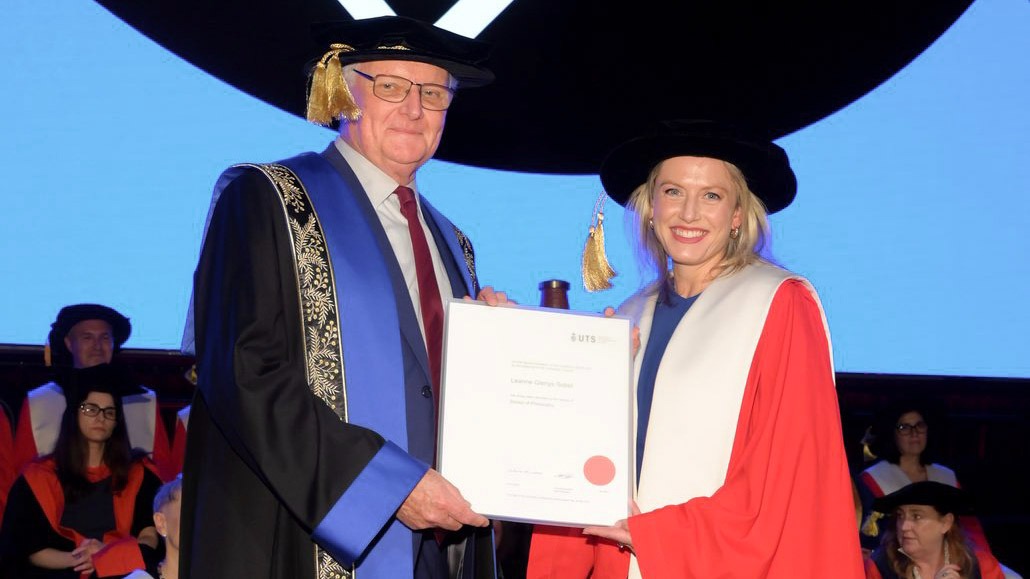
Our colleague and Director, Strategic Design, Dr. Leanne Sobel, was awarded her PhD in late October. This is an incredible milestone recognising four years of rigorous research, culminating in her thesis, "Strategy and Design: Exploring the Emerging Significance of Design in Strategy Work,". This work clarifies how strategic designers are working in relation to strategy and significantly advances our understanding of how design is changing strategy practices.
Leanne continues to bring this thinking into Snowmelt’s practice and her teaching in the University of Technology Sydney (UTS) Business School Executive MBA program. Leanne is passionate about facilitating academic and industry collaborations to achieve impact and has been appointed adjunct fellow at UTS alongside her affiliations with the UTS Centre for Climate Risk and Resilience, UTS Change for Good Research Centre and the Innovation and Entrepreneurship Collaborative. You can explore her research and publications directly on researchgate, or hear her discuss the research on 2SER’s Think: Business Futures podcast.
We expanded systemic design dialogue across new cohorts
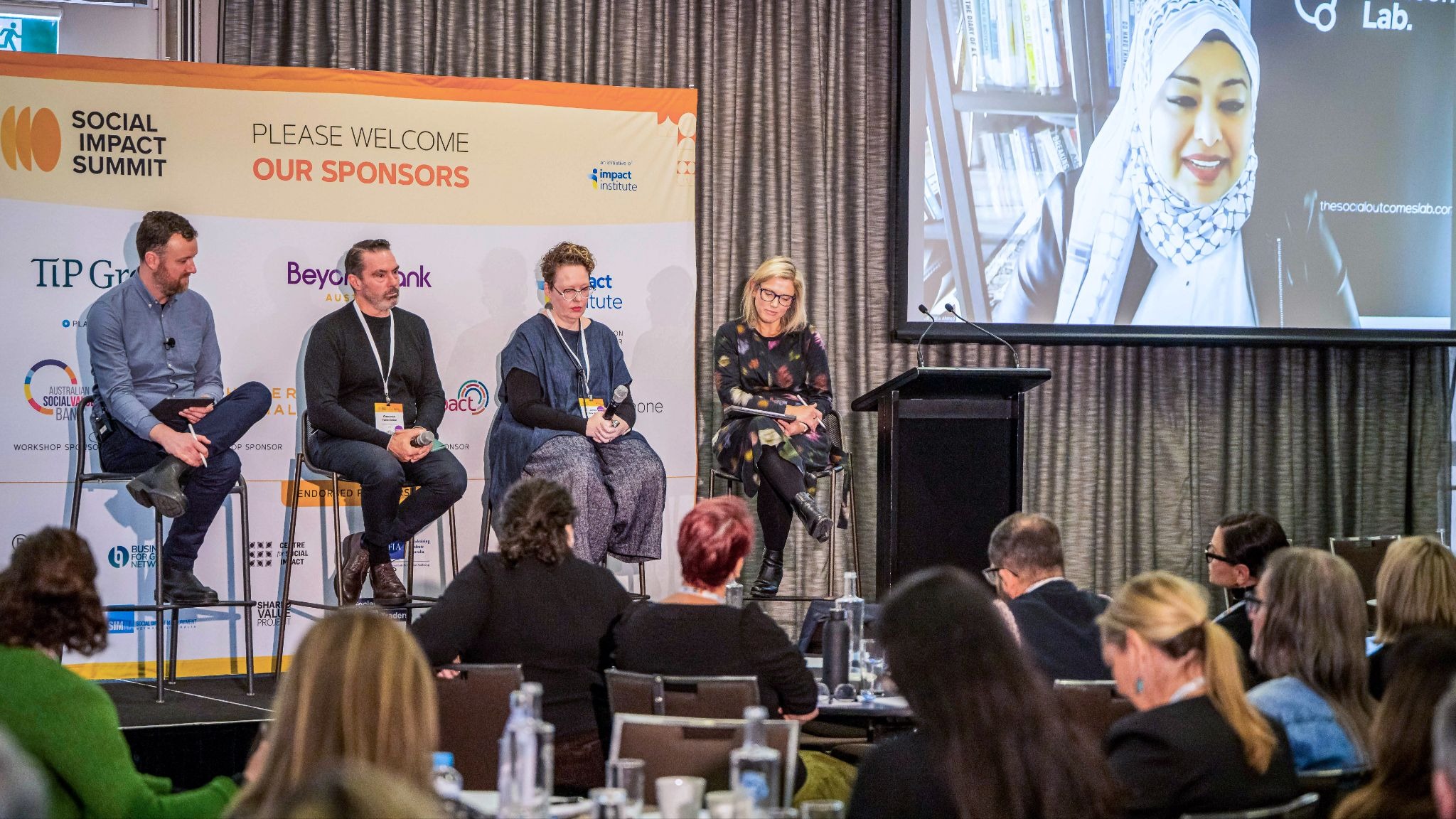
Throughout 2025, we continued to convene and contribute to systemic design conversations with new cohorts across Australia and internationally. Highlights included hosting the opening session at the Social Impact Summit on Courage in Complexity, guest lecturing at the The University of California, Los Angeles (UCLA) Luskin School of Public Affairs, the RDI Network Exchange and supporting a major UTS event with Christian Bason on designing sustainable and liveable cities - you can listen to the event here. We also helped evolve Complexity Salon into a full-day experiential workshop on AI and the Art of Management, and contributed to the Design & Justice Symposium, exploring systems change within the criminal justice context.
These conversations were extended through a series of podcasts, including Leanne Sobel in conversation discussing her PhD research and our work at Snowmelt with “Strategy Meets Reality” with Mike Jones, 2SER’s Think: Business Futures, and The Knowledge Mill with Greg Joachim. Tim Tompson speaking with Orchestrate for Impact on systems change and collaboration, and both Leanne and Tim speaking with Impact Boom.
Relationality in action at RSD14
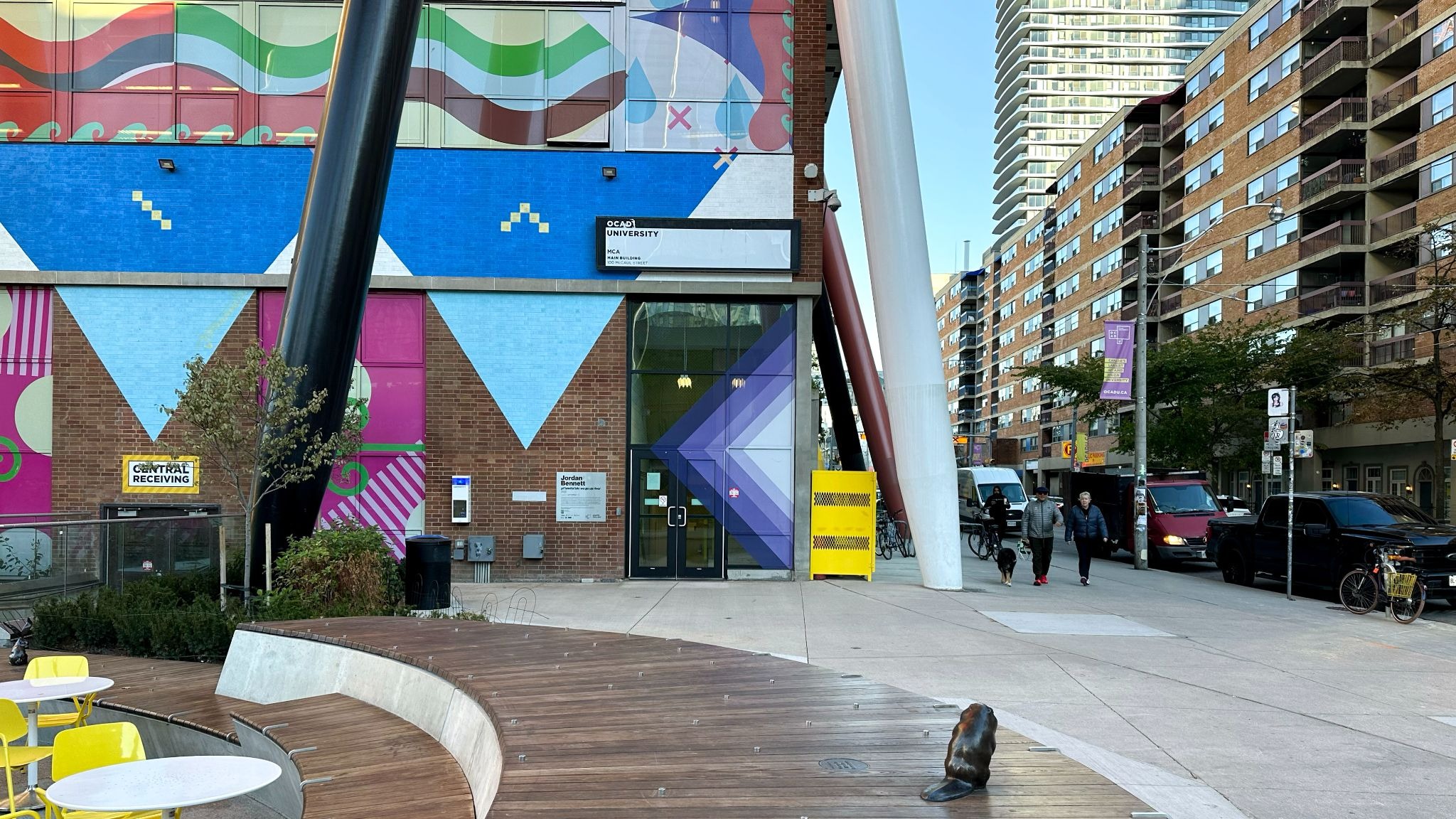
We deepened our engagement with the global systemic design community through RSD14 (Relating Systems Thinking & Design Symposium), as an inaugural sponsor, presenting partner and host of the Pacific Edition.
Hosted by the Systemic Design Association (SDA) and Ontario College of Art & Design (OCAD) University, the symposium’s theme ‘Relationality in Complexity’ saw convening dialogue across practitioners, researchers, and leaders with papers, articles, workshops and talks both online and in person in Toronto.
A key focus of our contribution was Lessons from the Field, a series of open workshops run across RSDX and RSD14 in collaboration with Emma Blomkamp and Elsa Henderson. More than 40 practitioners from across sectors and geographies joined these sessions to explore what effective systemic design practice with organisations looks like in real conditions, including how this work is started, sustained, and adapted over time. These conversations have been synthesised into a draft working paper, Lessons from the Field: An open inquiry into effective systemic design practices with organisations, contributing to shared learning across the field. We are developing this paper to share with our network and the systemic design community, so stay tuned for this share as the year unfolds.
Looking at how we do our work moving forward
Much of our work has grown from reflection on what it actually takes for organisations to work well in volatile, uncertain, and complex conditions. We’ve seen many organisations embrace the language of systems thinking and systemic design, yet operationalising and translating it into day-to-day practice remains a bit of a mystery.
We can track over the year an increasing interest from organisations on capability building, to give them the capacities for reinvention in a fast changing context. This year was about building adaptive capabilities and articulating these into practice: What are the strategic choices at hand and how do we most effectively mobilise the workforce? We’ve noticed that organisations are seeking advice and options, and forging new directions through collaborative exchanges and taking bolder actions. This means for us that strategy is not static, but a lived experience, and that our partners are valuing the work we do together over time – rather than concluding in the delivery of a report.
In support of this work we have also sought to better communicate and diagnose where organisations can most effectively adopt systemic design practices. Reflecting on the last few years, we identified the conditions required to operate adaptively, and the four management dimensions through which systemic design interventions are best activated These are: strategy and identity, governance, relational dynamics, and ways of working. These articulations are important because it helps us pin point where, in the organisational design we can facilitate work. For example governance is crucial when moving to more adaptive ways of working and requires a shift from hierarchical control to more distributed stewardship where governance becomes a practice of shared sensingmaking.
Traditional models of reorganisation, business models and frameworks are no longer fit for purpose as people demand more transparency in heightened uncertainty, and organisations must evolve accordingly.
We are focused on helping organisations work on these more adaptively and are excited to bring this approach into new projects this year.
We explore the dimensions of management in more depth in our RSD14 paper, A Complexity Paradigm: Four Dimensions of Management Where Systemic Design Practices Support Work in Complexity.
Thank you!
A big thank you to all the wonderful people that we collaborated with, partnered with, and conversed with in 2025. We now look ahead to 2026, as another year to continue to grow, learn, and seek out new ways to use systemic design. We’re so excited to have you on this journey with us.
Happy new year!
Team Snowmelt.
To follow along with our exploration and learnings, follow us on LinkedIn, or subscribe to our Newsletter.